

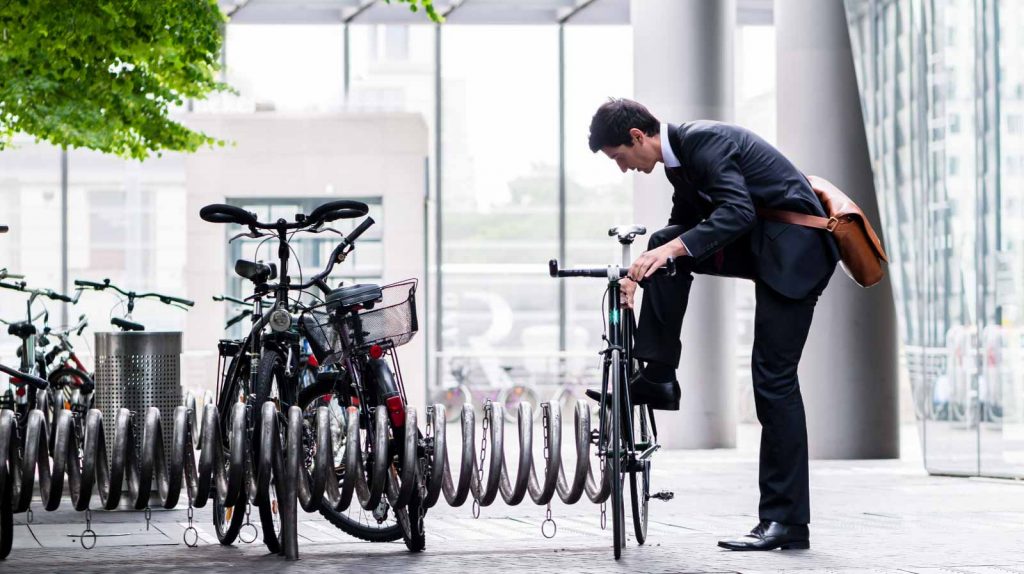
Sustainable mobility in companies begins with strategic corporate mobility management. This means taking a holistic approach to the key areas of commuting, fleet management, and business travel, and making them more efficient and climate-friendly in a targeted way. In this article, you will find practical ideas for making mobility in your organization more sustainable. We also show how gamification can help motivate employees to support your company’s sustainable mobility goals.
Future-Ready Companies Attract Talent
Corporate mobility management makes companies more efficient and future-ready by systematically optimizing mobility processes and reducing resource consumption. Beyond that, sustainable mobility increases employee motivation by creating choice and visibly recognizing environmentally conscious behavior. Encouraging more active commuting also supports employee health and well-being. Both climate action and health promotion strengthen employer branding, as more and more skilled professionals actively seek out responsible employers.
Key Areas of Action in Corporate Mobility Management
Corporate mobility management can be implemented across three main areas: the company fleet, employee commuting, and business travel. Depending on company size and starting conditions, each area offers different levels of potential for creating more sustainable mobility structures. For most organizations, the greatest CO2 reduction potential lies in employee commuting.
Corporate Mobility Management Starts with Commuting
Companies looking to improve mobility sustainability should begin with measures that promote climate-friendly commuting. This is the easiest area in which to directly involve all employees, making climate action visible throughout the organization. It is also where corporate mobility management can be closely linked with workplace health initiatives. After all, the most climate-friendly way to commute—walking or cycling—is also the healthiest.
Simple measures that help employees reduce CO2 emissions on their commute include:
Cycling and walking:
- Subsidies for bicycle purchases
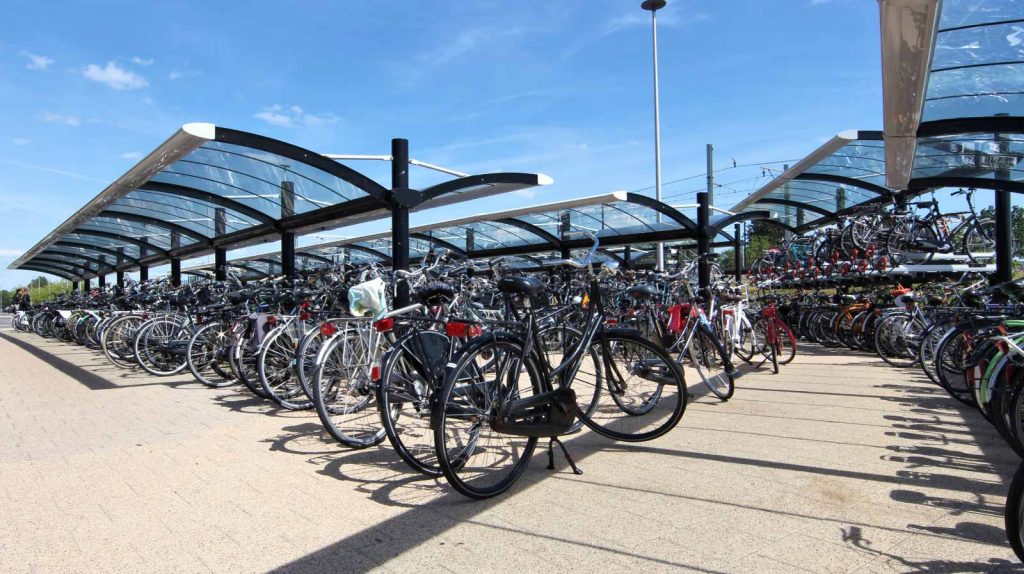
- Secure and covered bike parking
- Organized walking or running groups
- Shower facilities at the workplace

Making public transport more attractive:
- Subsidized transit passes
- Employer-sponsored commuter tickets
- Flexible working hours aligned with public transport schedules

Supporting carpooling:
- Internal platforms or matching tools for ride-sharing
- Incentives for forming commuter groups
Climate-friendly work models:
- Enabling remote work
- Greater flexibility in scheduling part-time hours
Gamification & nudging:
To motivate employees to choose sustainable commuting options, it helps to make these choices visible—for example by tracking CO2 savings or climate-friendly kilometers traveled. Positive incentives such as challenges and rewards for reaching sustainability goals provide additional motivation. Digital solutions like the Changers Fit App make sustainable behavior measurable, comparable, and easy to reward through incentive systems.
Corporate Mobility Management for a Climate-Friendly Fleet
A sustainable company fleet is another key pillar of corporate mobility management. Gradually transitioning to low-emission or electric vehicles, expanding charging infrastructure, and using digital fleet management systems can significantly reduce CO2 emissions. At the same time, a modern fleet creates opportunities to organize mobility more efficiently—for example through shared vehicle models or improved vehicle utilization.
Key measures include:
- Electrifying the fleet through a gradual transition to electric or hybrid vehicles
- Building charging infrastructure as the foundation for fleet transformation
- Introducing car-sharing models to reduce the total number of vehicles
- Route optimization to improve efficiency in vehicle use
- Updating usage policies to prioritize sustainable travel options (for example, rail over car travel for short distances)
Planning Business Travel More Consciously
Business travel also offers significant opportunities for more sustainable mobility. Companies can reduce emissions by relying more heavily on digital alternatives such as video conferencing and by organizing necessary travel in the most climate-friendly way possible—for example by prioritizing rail travel over short-haul flights or using public transport at the destination. Clear travel policies and attractive incentives help embed sustainable choices into everyday business practice.
Examples of effective measures:
- Strengthening digital alternatives and establishing video conferencing as the default option
- Revising travel policies so that rail is prioritized over air travel
- Combining appointments to reduce the number of trips required
- Increasing transparency by making emissions per trip—and overall business travel emissions—visible
Digital Tools Make Climate-Friendly Behavior Easy, Visible, and Rewarding
Corporate mobility management becomes more sustainable across commuting, fleet operations, and business travel when climate-friendly behavior is easy, visible, and rewarding. This is exactly where digital tools such as the Changers Fit App come in:
- Sustainable behavior is tracked (for example distance traveled or emissions saved)
- Progress becomes visible (individually and across teams)
- Engagement is increased (through badges, rewards, and team challenges)
This turns sustainability from an abstract goal into a concrete and motivating everyday experience for employees. Gamification elements help encourage participation—and continued engagement. Friendly competition through team challenges creates motivation for long-term behavior change. Departments, branches, or self-selected teams can compete in step challenges, cycling challenges, or CO2 reduction challenges.
Corporate Mobility Management at a Glance
Sustainable mobility in companies begins with strategic corporate mobility management, which takes a holistic approach to commuting, fleet management, and business travel. The goal is to improve efficiency, reduce CO2 emissions, and motivate employees to actively shape this transition. The greatest savings potential often lies in commuting—for example through cycling, public transport, carpooling, or flexible work models. A climate-friendly fleet and more consciously planned business travel also make a major contribution to sustainability. With gamification and digital tools, sustainable behavior becomes visible and actively encouraged, helping embed climate action into everyday work culture.
If you would like to learn how to combine sustainability and health promotion through the Changers Fit App—and how team challenges and other gamification elements can strengthen your corporate mobility management—we would be happy to advise you.

Daniela Schiffer
d.schiffer@changers.com
+49 172 367 40 38