

As work-related pressure and personal challenges continue to grow, preventive health in the workplace is becoming increasingly important. The health of employees is a crucial factor in a company’s success. That is why preventive health initiatives play a central role: they help prevent illness and improve overall quality of life. In the following article, you will learn more about the different aspects of health prevention and why it is so essential for every company.
Why Preventive Health in Companies Matters
Preventive health measures
The concept of workplace health prevention has its roots in public health work in the 19th century, which initially focused on combating infectious diseases. Over time, the idea of prevention expanded and today also includes chronic diseases, mental health, and overall wellbeing.
What Is the Difference Between Preventive Health and Health Promotion?

Preventive health focuses on actively preventing illnesses and health problems before they occur. Its goal is to identify risk factors and implement preventive health solutions that minimize their impact. Examples include vaccinations, early detection screenings, ergonomic workplace design, and stress management programs.
Health promotion, on the other hand, focuses on strengthening employees’ health resources and potential. Its aim is to improve quality of life and encourage positive health behaviors rather than merely reacting to illness. Health promotion measures include healthy nutrition, physical activity, mental health training, and creating a supportive work environment.
While health prevention aims to minimize risks, health promotion actively strengthens individual and collective well-being. Both concepts are closely linked and complement one another as part of a holistic corporate health management strategy. You can find 30 concrete ideas for worksite health promotion in another article.
Why Preventive Health Is So Important for Companies
For employers, preventive health initiatives are important because they help reduce sick leave, increase employee satisfaction, and improve overall performance. Healthy employees are generally more motivated, productive, and less susceptible to stress-related illnesses. This leads to higher efficiency and a more positive working environment.
Companies also benefit from the many preventive medicine benefits, including reduced healthcare costs, improved productivity, and stronger employee retention. Health-focused initiatives strengthen a company’s employer brand and help attract qualified talent.
Key Goals and Benefits of Workplace Preventive Health
- Reducing sick leave: Preventive measures can reduce common illnesses and related absences.
- Increasing employee satisfaction: Healthy employees are more motivated and engaged.
- Improving productivity: Healthy employees contribute more effectively to company success.
- Reducing costs: Long-term healthcare and absence-related costs can be lowered through effective preventive health programs.
- Enhancing company image: Companies that care about employee well-being become more attractive employers.
By implementing targeted preventative health initiatives, companies not only improve employee health but also create a healthier and more productive work environment.
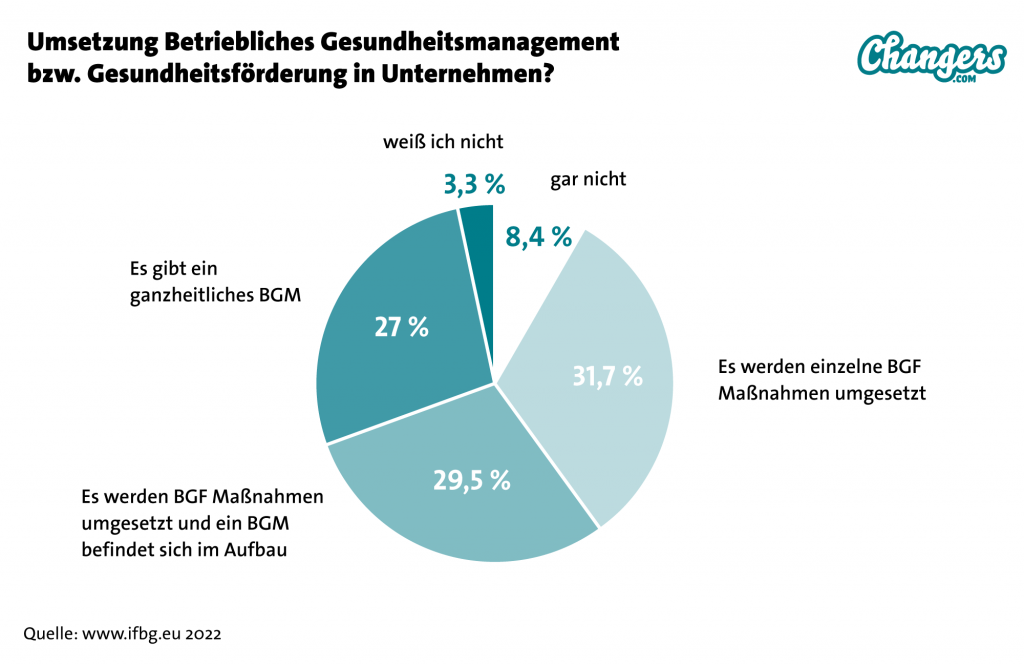
According to the study “#whatsnext – Healthy Working in the Hybrid Workplace” conducted by the Institute for Workplace Health Consulting (IFBG), around 32% of surveyed German companies stated at the end of 2022 that they had implemented workplace health management or workplace health promotion measures, while just over 8% reported having no measures at all..
The Three Main Areas of Employer Health Prevention
- Physical Health: This area focuses on employees’ physical condition and fitness. Good physical health forms the foundation for performance and well-being at work.
- Mental Health: Mental health relates to emotional and psychological well-being. It includes stress management and maintaining a healthy work-life balance, both of which are essential for long-term satisfaction and productivity.
- Social Health: Social health concerns the quality of interpersonal relationships and social support in the workplace. Positive social interactions and supportive networks are key to a harmonious working atmosphere.
A holistic approach that integrates physical, mental, and social health creates a healthy and productive work environment. By addressing all three areas, companies can sustainably improve employee well-being and foster a positive workplace culture.
The Three Categories of Preventive Health in the Workplace
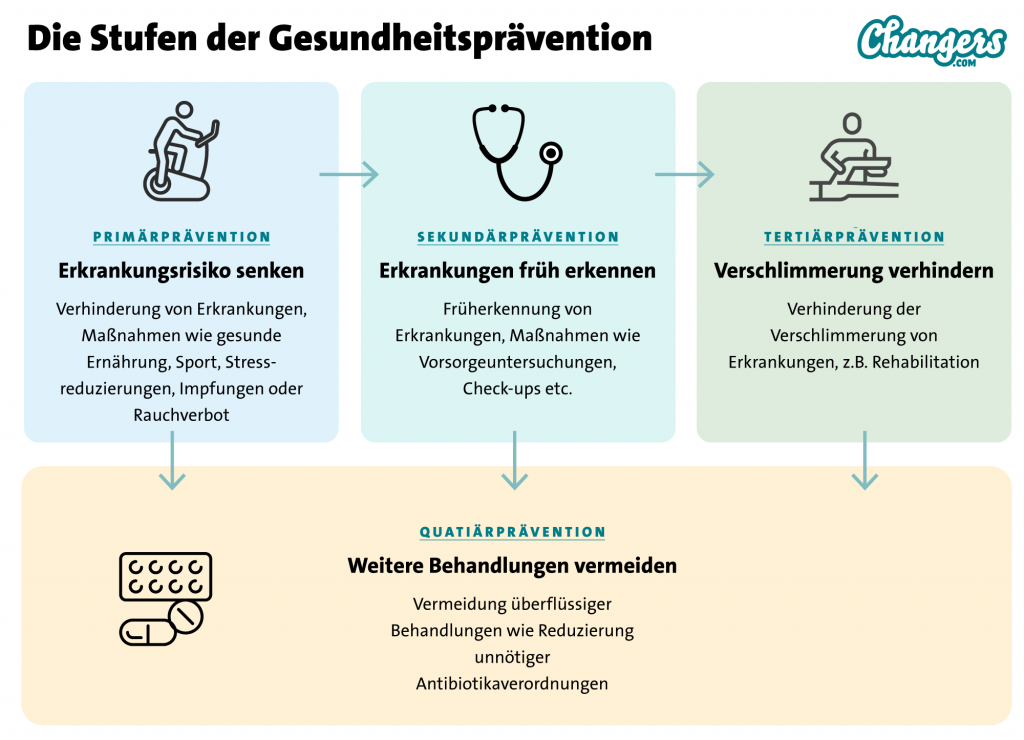
- Primary Prevention: Primary prevention aims to prevent illnesses and health problems before they occur. This is achieved by eliminating or minimizing risk factors and promoting healthy behaviors such as vaccinations, awareness campaigns, and physical activity.
- Secondary Prevention: Secondary prevention focuses on the early detection and treatment of diseases before they become severe. Examples include regular health check-ups, screening programs, and diagnostic tests. Early intervention helps prevent serious complications and improves treatment outcomes.
- Tertiary Prevention: Tertiary prevention refers to measures that support treatment and rehabilitation for individuals already affected by illness or health issues. Its goal is to slow disease progression, minimize complications, and improve quality of life through rehabilitation programs and medical therapies.
By promoting primary, secondary, and tertiary prevention, companies can implement a comprehensive preventive health program that protects and promotes employee well-being.
Ideas for Preventive Health in the Workplace
Implementing preventive health solutions in the workplace requires a holistic strategy that addresses multiple aspects of employee well-being. Companies can take the following measures:
Health Days and Workshops (Primary Prevention)
Regularly held work health days and workshops allow employees to learn about health topics and actively participate in preventive initiatives. Topics may include nutrition, exercise, stress management, and addiction prevention. External experts can provide valuable knowledge and practical tips.
Ergonomic workplace design (primary prevention)
An ergonomically designed workstation helps prevent physical discomfort and long-term health problems. This includes properly adjusted desks and chairs, ergonomic tools such as keyboards and mice, and encouraging regular breaks and movement.
Stress management and mental health (primary prevention)
Mental health is just as important as physical health. Companies should offer stress management and mental health support programs through workshops, training sessions, or individual counseling. An open and supportive workplace culture is equally essential.
Nutrition and healthy lifestyle (primary prevention)
Healthy nutrition significantly contributes to overall well-being. Companies can promote healthy eating habits by offering nutritious cafeteria options, providing fresh fruit and vegetables, and running educational campaigns about nutrition. Water stations and encouraging regular hydration are also simple yet effective measures.
Exercise and Sports Programs (Primary Prevention)
Regular physical activity is essential for health. Companies can offer their employees a variety of sports and exercise options, such as fitness classes, yoga sessions, or participation in company step challenges and cycling challenges. Providing company fitness rooms or memberships in nearby gyms can also help promote physical activity. Use digital tools such as the Changers Fit app to support workplace preventive health initiatives. It is specifically designed to motivate physical activity in a playful way within companies. Extensive gamification elements such as awards, leaderboards, and shared donation projects provide lasting motivation for participants to engage in health prevention. Ready-made communication materials make implementation quick, straightforward, and cost-effective.
Costs and Financing of Preventive Health
There are three main ways to finance workplace preventive health programs:
Health Insurance Funds: Many statutory health insurance providers support workplace health promotion and partially or fully cover the costs of certified prevention programs.
Tax Benefits: In Germany, companies can spend up to €600 per employee per year tax-free on health promotion measures. These tax advantages are among the key preventive health benefits for employers.
Funding Programs: Various governmental and regional funding programs support companies financially in implementing health measures and strengthening workplace well-being.
TIP: Funding support isn’t only available for health prevention. If you’d like to learn more about funding for your CHM measures in general, including areas such as workplace reintegration management and occupational health and safety, you’ll find a dedicated article on this topic.
Conclusion
Preventive health in the workplace is a crucial building block for long-term success and employee well-being. By actively promoting and protecting employee health, companies invest not only in their future success but also in the well-being of their workforce.
From taking a holistic view of physical, mental, and social health to implementing effective preventive health initiatives, every step toward a healthier work environment helps reduce sick leave, increase productivity, and strengthen the company’s image.
Digital tools such as the Changers Fit app provide cost-effective preventive health solutions for implementing a variety of measures, sustainably motivating employees, and evaluating the effectiveness of workplace health initiatives.
Get in touch with us.
We look forward to meeting you.

Daniela Schiffer
d.schiffer@changers.com
+49 172 367 40 38